Blog
Muslin vs Regular Cotton: What Is the Difference for Babies?
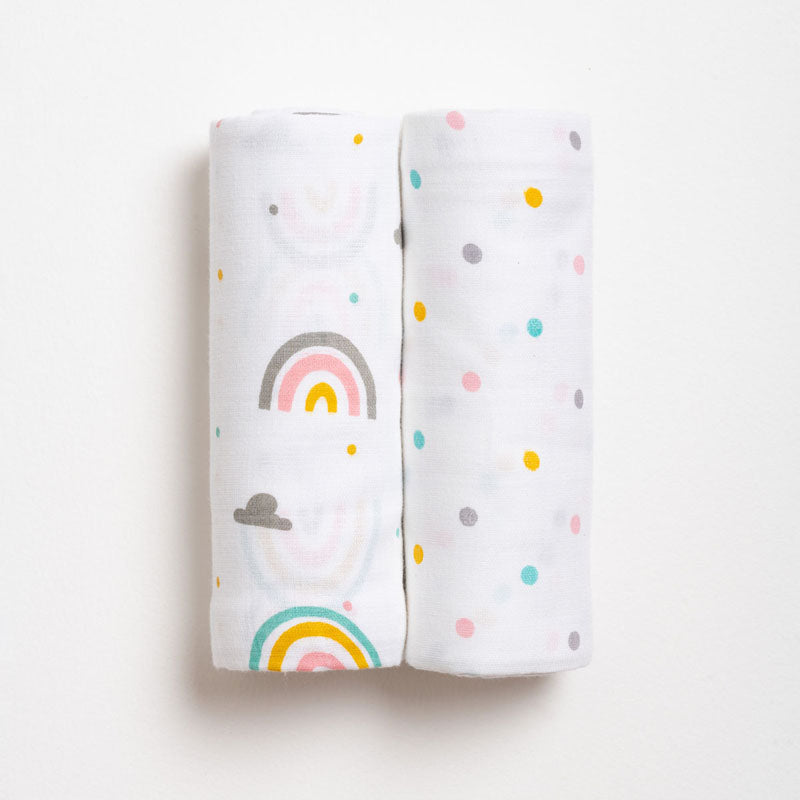
Muslin is everywhere in baby shops, from swaddles to burp cloths. But muslin is cotton too, so what makes it different from the cotton in an ordinary T-shirt or sheet? The answer is in the weave.Same fibre, different weaveBoth muslin and regular cotton fabric are made from cotton fibre. The difference is how the threads are woven. Muslin has a loose, open weave, with tiny gaps between the threads. Many everyday cotton fabrics are woven or knitted more tightly.What the open weave means for babies Breathable. The open weave lets air pass through easily, so muslin feels light even in several layers. Soft, and softer with washing. Muslin gets softer with every wash rather than stiffer. Light. A single layer of muslin is very light, which is why it is often layered for absorbency and warmth. Quick to dry. Its light weight helps it dry quickly after washing. Why layers matterBecause a single layer of muslin is so light, products are often made from several layers depending on what they need to do. For example, our reversible blankets and sleeping bags are four layers for a cosier feel, and our washcloths are four layers to soak up water and spills.Where regular cotton works wellA tighter cotton weave is smooth and holds its shape, which suits fitted clothes and sheets. Muslin's open weave suits anything you want to be light, soft and breathable.What does organic cotton mean?Organic cotton is cotton grown using organic farming methods. Our muslin is made from organic cotton.Caring for muslinWash muslin with like colours. It may crinkle a little after washing, which is completely normal and part of its soft, relaxed texture.See our muslin in action: muslin swaddles, reversible blankets, muslin bibs and our full muslin essentials.
Learn moreLangot or Diaper? A Practical Guide for New Parents
Langot, cloth nappy, disposable diaper: when you are getting ready for a new baby, the choices can feel endless. There is no single right answer, and many families use a mix. Here is a simple, practical look at how a langot and a disposable diaper differ, so you can decide what works for you.What is a langot?A langot is a simple cloth nappy that ties or fastens around your baby. It has been used by parents for generations and is made to be washed and reused. Our muslin nappies are a modern take, made from soft organic cotton muslin with extra layers in the lining.What is a disposable diaper?A disposable diaper is designed to be used once and thrown away. It holds more liquid than a single cloth nappy, which is why many parents choose disposables for long stretches such as night-time or travel.How they compare Reuse. A cloth nappy is washed and used again and again. A disposable is used once. Changes. Cloth nappies usually need changing more often, which many parents use as a natural reminder to check on their baby. Fabric. A muslin nappy is soft, breathable cotton against your baby's skin. Washing. Cloth means more laundry, so plan for enough nappies to rotate while some are in the wash. Convenience. Disposables are quick for outings and long stretches. Using bothMany parents do not choose one or the other. A common approach is cloth nappies at home during the day and disposables for night-time and travel. It is worth trying both and seeing what suits your routine.How many cloth nappies do I need?Plan for frequent changes in the early weeks, plus enough spares to cover washing and drying time. Our nappies come singly and in sets of three, which makes it easy to build up a rotation.Caring for muslin nappiesMachine wash cold with a mild detergent and do not bleach. Stretch them gently while wet, line dry, and make sure they are fully dry before use. Muslin gets softer with every wash.Browse our organic cotton muslin nappies, pair them with a matching jabla, or see everything for the first weeks in our newborn essentials.
Learn moreThe Thottil: How to Use a Traditional Cloth Cradle Safely
Our name comes from the thottil. Aariro is the Tamil word for the lullaby a mother sings while gently rocking her baby in one. The thottil has been part of South Indian homes for generations, and many families still love it today. If you are thinking of using one, this guide explains what it is, how to set it up and the safety checks to follow every time.What is a thottil?A thottil is a cloth cradle: a length of soft fabric hung from the ceiling, so it can sway gently with the lightest touch. Our Thottil with Window is made from organic cotton, with a breathable leno window, an open weave panel that lets air flow through and lets you check on your baby without lifting the fabric.What age is it for?We recommend the thottil from 3 months onwards, up to a weight of 15 kg. Stop using it once your baby can sit up, pull themselves up or try to climb out.How to set it up Hang it only from a secure ceiling hook fixed into a sturdy ceiling. Use a thottil chain or rod that is rated to take the weight. Tie the ends firmly and check the knots. Keep the thottil hanging low, close to the floor. Place it away from walls, furniture, windows and cords. Safety checks every time Always use the thottil under adult supervision. Check the hook, chain or rod, knots and fabric for wear before every use. Always lay your baby on their back, in the centre of the thottil. Keep it free of pillows, blankets, toys and any loose items. Do not exceed the 15 kg weight limit. If you use a mosquito net, make sure it is securely fitted and does not rest on or hang near your baby. Optional extrasA neem wood separator holds the two sides of the thottil apart for better airflow, and a Thottil net fits over it to help keep mosquitoes away. Both are sold separately.Caring for your thottilMachine wash it with a mild detergent and dry it in the shade. Make sure the fabric is completely dry before you hang it again.Explore our full Thottil range.
Learn moreWhat Is a Jabla? A Simple Guide to Your Baby's First Top
If you are putting together your baby's first wardrobe, you will probably hear the word jabla (also spelt jhabla) more than once. It is one of the simplest pieces of baby clothing there is, and one of the most useful. Here is what a jabla is, why so many parents swear by it, and how to choose the right ones.What is a jabla?A jabla is a loose, front-open top for newborns and young babies. Instead of going over the head, it opens at the front and fastens closed, so you can dress your baby while they lie comfortably on their back. Jablas have been a newborn wardrobe staple for generations, and they are still one of the first things many parents buy.Why jablas suit newborns Nothing to pull over the head. Newborns rarely enjoy having clothes pulled over their faces. A front opening means you simply lay the jabla under your baby, bring the sides across and fasten it. Easy changes. You will be changing your baby many times a day in the early weeks. A jabla takes seconds to put on and take off. Loose and light. A relaxed cut leaves room to move and lets air flow, which is why jablas are so often made in muslin. Why muslin?Muslin is a loose, open weave of cotton. It is light and breathable, and it gets softer with every wash rather than stiffer. Our jablas are made from organic cotton muslin, so they feel soft against your baby's skin from the very first wear. You can read more about the fabric in our guide to muslin and regular cotton.How do Aariro jablas fasten?Ours fasten with snap buttons hidden inside the fabric, so the front looks neat and the fastenings stay tucked away.Which size should I choose?Our jablas come in two sizes: 0–3 months and 3–6 months. Babies grow quickly in the first weeks, so many parents buy a set in each size. If you are shopping before the birth, starting with 0–3 months is a safe choice.How many jablas do I need?Plan for frequent changes in the early weeks. Our jablas come in sets of two or three, so you can keep one on, one in the wash and one ready to go.How to care for jablasMachine wash cold with a mild detergent and do not bleach. Stretch them gently while wet and line dry. Muslin softens with every wash, so they only get nicer with time.Matching jablas, nappies and shortsMost of our jabla prints are also available as muslin nappies and shorts, so you can put together a matching set. Browse our muslin jabla sets, add matching muslin nappies, or start with our newborn essentials.
Learn more
Unveiling the Truth: Debunking Common Myths About Breastfeeding
Breastfeeding is a natural and essential part of motherhood, providing numerous benefits to both the baby and the mother. Despite its well-documented advantages, there are still prevalent myths and misconceptions surrounding breastfeeding that can create confusion for new mothers. In this blog, we will delve into some of the most common myths about breastfeeding and unveil the truth behind them. Myth 1: "Breastfeeding is always easy and comes naturally." Reality: While breastfeeding is a natural process, it doesn't always come easily for every mother and baby. Many factors, such as latch issues, low milk supply, or discomfort, can pose challenges. It's essential for new mothers to seek support from healthcare professionals, lactation consultants, or support groups to address any difficulties they may encounter. Myth 2: "Formula-fed babies are just as healthy as breastfed babies." Reality: Breast milk is uniquely tailored to meet the nutritional needs of a newborn. It contains antibodies, enzymes, and essential nutrients that contribute to a baby's overall health and development. While formula can provide adequate nutrition, it lacks the live cells and immune-boosting properties found in breast milk. Breastfeeding is associated with lower risks of infections, allergies, and certain chronic diseases. Myth 3: "Breastfeeding ruins the shape of your breasts." Reality: The myth that breastfeeding causes sagging breasts is unfounded. Changes in breast shape are more influenced by factors such as genetics, age, and overall skin elasticity. Additionally, wearing a well-fitting supportive bra during pregnancy and breastfeeding can help minimize any temporary changes. The health benefits for both mother and baby far outweigh any perceived impact on breast appearance. Myth 4: "You can't breastfeed if you have small breasts." Reality: Breast size is not an indicator of a woman's ability to breastfeed successfully. The size of the mammary glands, not the fatty tissue, determines milk production. Women with smaller breasts can produce as much milk as those with larger breasts. Successful breastfeeding depends more on the baby's latch, effective sucking, and the mother's commitment to breastfeeding. Myth 5: "You must follow a strict diet while breastfeeding." Reality: While a balanced and nutritious diet is important for a breastfeeding mother, there is no need for extreme dietary restrictions. In most cases, mothers can eat a variety of foods without negatively affecting their breast milk. It's essential to stay hydrated and include a mix of fruits, vegetables, whole grains, and proteins. If there are concerns about specific foods, consulting with a healthcare professional or a lactation consultant is advisable. Myth 6: "Breastfeeding should stop once the baby gets teeth." Reality: The emergence of a baby's teeth does not automatically signal the end of breastfeeding. Many mothers continue to breastfeed successfully as their babies grow teeth. It is essential to ensure a proper latch and monitor the baby's behavior. If biting becomes an issue, there are strategies to address it without weaning prematurely. Myth 7: "You Should Stick to a Strict Feeding Schedule" Reality: Contrary to the belief that babies should be fed on a rigid schedule, breastfeeding is most successful when it follows a baby-led approach. Babies have their own unique feeding patterns, and it's essential to feed on demand, allowing the baby to signal when they're hungry. This ensures that the baby receives the right amount of milk and helps in establishing a strong milk supply for the mother.Every feeding journey is different. If you are setting up for those early weeks, our organic cotton nursing pillows and covers help make each feed a little more comfortable.
Learn more
Golden rules of breastfeeding
Breastfeeding is a natural and beneficial way to nourish and bond with your baby. While every breastfeeding experience is unique, there are some general guidelines, often referred to as golden rules, that can help support a successful breastfeeding journey. 1.Demand is Equal to Supply:The principle of demand and supply is fundamental to breastfeeding. The more your baby nurses, the more signals your body receives to produce milk. 2.Empty Breast After Each Feeding:Ensuring that the breast is emptied during each feeding or switching sides helps your baby get both the foremilk (lower in fat) and hindmilk (richer in fat), providing a balanced nutrition. 3.Correct Baby Latch:A proper latch is crucial for effective breastfeeding. A correct latch prevents nipple soreness and ensures that your baby can efficiently extract milk from the breast. 4.Galactagogue Foods or Supplements:Certain foods and supplements, like garlic, fenugreek seed water, or lactonic granules, are believed to enhance milk production. However, it's essential to consult with a healthcare professional before using any supplements. 5.Skin-to-Skin Contact:Skin-to-skin contact promotes bonding between you and your baby and encourages breastfeeding initiation. It helps regulate the baby's temperature, heart rate, and breathing, creating a supportive environment for breastfeeding. 6.Stress-Free:Reducing stress is crucial for maintaining a healthy breastfeeding relationship. Stress can impact milk supply, so finding ways to relax and prioritize self-care is important. 7.Take Additional Calories:Breastfeeding requires additional energy, so ensuring you consume enough calories is vital. A well-balanced diet with nutrient-rich foods supports both your health and milk production. 8.Hydration:Staying well-hydrated is essential for overall health and maintaining an adequate milk supply. Drink water regularly throughout the day to support hydration.Frequent feeds are easier when you are comfortable. A nursing pillow brings your baby up to a comfortable feeding height.
Learn more
5 seeds to consume during pregnancy and postpartum
Eating a variety of seeds during pregnancy can provide several health benefits due to their nutrient content. Here are the potential benefits of some commonly consumed seeds during pregnancy: Chia Seeds: Omega-3 Fatty Acids: Chia seeds are rich in alpha-linolenic acid (ALA), a type of omega-3 fatty acid, which is important for fetal brain and eye development. Fiber: Chia seeds are an excellent source of dietary fiber, which can help alleviate constipation, a common issue during pregnancy. Nutrient Density: They provide essential vitamins and minerals like calcium, magnesium, and phosphorus. Pumpkin Seeds: Iron: Pumpkin seeds are a good source of iron, which is crucial for preventing anemia during pregnancy. Protein: They contain protein, which supports fetal growth and development. Magnesium: Magnesium in pumpkin seeds helps regulate blood pressure and muscle function. Flax Seeds: Omega-3 Fatty Acids: Flax seeds are another source of ALA, which supports brain and eye development in the fetus. Fiber: The fiber content can help with digestive health and prevent constipation. Lignans: Flax seeds contain lignans, which have antioxidant properties and may contribute to overall health. Watermelon Seeds: Protein: Watermelon seeds provide protein, which is essential for fetal growth and development. Nutrients: They contain essential vitamins and minerals like vitamin B-complex and iron. Sunflower Seeds: Folate: Sunflower seeds are a good source of folate (a natural form of folic acid), which is critical for preventing neural tube defects in the developing fetus. Vitamin E: These seeds contain vitamin E, an antioxidant that can support overall health. Healthy Fats: Sunflower seeds provide healthy fats, which are important for the baby's brain and nervous system development. It's important to consume seeds in moderation and ensure they are properly prepared. Some seeds may need to be soaked, roasted or cooked to eliminate any potential microbial contamination. Not more than 1 tablespoon in total if all the 5 seeds are consumed on the same day or a teaspoon of each seed per day is advisable. Additionally, allergies to seeds can occur, so be cautious if you haven't consumed them before and monitor for any adverse reactions.A balanced and varied diet is key to a healthy pregnancy, and seeds can be a part of that diet when consumed mindfully. Getting ready for your baby's arrival? Browse our newborn essentials in soft organic cotton, and our nursing pillows for the feeding weeks ahead.
Learn more
Benefits of Breastfeeding
Breast milk is often called "liquid gold" for good reason. It is the perfect food for babies, providing them with all the nutrients they need for healthy growth and development. Here are some of the benefits of breast milk for both babies and mothers.1. Perfect nutritionBreast milk provides all the nutrients a baby needs in the first few months of life. It contains the right balance of protein, fat, and carbohydrates, as well as vitamins and minerals that are essential for a baby's growth and development. Breast milk also contains antibodies that help protect babies from infections and illnesses.2. Digestive benefitsBreast milk is easy for babies to digest, which means they are less likely to experience digestive issues such as constipation and diarrhea. Breastfed babies are also less likely to develop allergies and intolerances compared to formula-fed babies.3. Reduced risk of illnessBreast milk contains antibodies that help protect babies from illnesses and infections. Breastfed babies are less likely to develop ear infections, respiratory infections, and diarrhea. Breastfeeding also reduces the risk of sudden infant death syndrome (SIDS).4. Brain developmentBreast milk contains long-chain fatty acids that are essential for brain development. Studies have shown that breastfed babies have higher IQs and are more likely to have better cognitive development compared to formula-fed babies.5. Health benefits for mothersBreastfeeding also has many health benefits for mothers. It helps the uterus return to its pre-pregnancy size and reduces the risk of postpartum bleeding. Breastfeeding also reduces the risk of breast and ovarian cancer, as well as osteoporosis.6. Convenience and costBreast milk is always available and at the right temperature, making it convenient for both babies and mothers. Breastfeeding is also cost-effective, as there is no need to purchase formula or bottles.If you would like a little privacy when feeding away from home, a nursing apron lets you feed comfortably while keeping an eye on your baby.
Learn moreNutritious Food Options for Breastfeeding Moms
Breastfeeding mothers need to eat a healthy and balanced diet to ensure they have enough energy and nutrients to produce breast milk for their baby. Eating a variety of nutrient-rich foods is important for both the mother's health and the baby's growth and development. Here are some food options that can help breastfeeding moms meet their nutritional needs.1. Whole GrainsWhole grains such as oats, quinoa, and brown rice are excellent sources of fiber, vitamins, and minerals. They can also help stabilize blood sugar levels, which can be particularly helpful for breastfeeding moms who may be experiencing fluctuations in blood sugar due to hormonal changes.2. Protein-rich foodsProtein is important for tissue repair and growth, and breastfeeding moms need extra protein to support milk production. Good sources of protein include lean meats, poultry, fish, beans, lentils, tofu, and nuts.3. Fruits and VegetablesFruits and vegetables are packed with essential vitamins, minerals, and antioxidants. They can help breastfeeding moms maintain a healthy immune system and provide the baby with a variety of nutrients. Some nutrient-rich fruits and vegetables include dark leafy greens, berries, citrus fruits, and cruciferous vegetables such as broccoli and cauliflower.4. Healthy FatsHealthy fats, such as those found in avocados, nuts, and seeds, are important for brain development in infants. They also help breastfeeding moms maintain healthy skin, hair, and nails. Omega-3 fatty acids, found in oily fish such as salmon and mackerel, can also help reduce inflammation and support brain health.5. HydrationBreastfeeding moms need to stay well-hydrated to ensure an adequate milk supply. Drinking water, herbal teas, and low-fat milk can help maintain hydration levels.In addition to these food options, breastfeeding moms should also aim to limit their intake of caffeine and alcohol. Both substances can be passed on to the baby through breast milk and can negatively affect their health and development.Alongside a good diet, a comfortable setup helps with all those feeds. Our nursing pillows bring your baby up to a comfortable height.
Learn more
5 bedtime routine for your baby
1. A soothing bath A soothing bath 90 minutes to an hour before bedtime helps trigger sleep. A warm bath stimulates blood circulation to your baby’s hands, feet and extremities 2. Gentle massage 3. Reading books The magic of a good story extends to sleep. Slowing down and reading a book to your baby begins the ramp-it-down process that leads to better sleep. 4. Final feeding - Nobody sleeps well with a grumbling tummy. Feeding your baby about 15 minutes before they head to their crib can help make them a little drowsy. 5. Sing a song Lullabies date to ancient times, and there’s a reason why gentle, melodic verses like “Twinkle, Twinkle Little Star” continue to be a bedtime staple: Calming music leads to ZZZs 6. Keep them cozy Dress your baby in light, breathable layers suited to the room. Our organic cotton baby sleeping bags are an easy way to keep them snug through the night. Always place your baby on their back on a firm, flat surface to sleep.
Learn more
5 comfortable positions for breastfeeding your little one
Breastfeeding is one of the most natural and important things a mother can do for her baby. It not only provides the baby with essential nutrients but also helps to create a bond between mother and child. However, finding the right position to breastfeed can be a challenge for many new mothers. In this blog, we'll explore different positions to breastfeed babies, so you can find the one that works best for you and your little one.1. Cradle HoldThe cradle hold is perhaps the most common position for breastfeeding. It involves holding the baby in the crook of your arm, with their head resting on your forearm. Your baby's body should be facing you, and you should use the same arm as the breast you plan to use for feeding. This position works well for babies who are able to latch on without much support.To get comfortable in this position, sit in a chair with good back support and bring your baby close to your body. You may need to use a nursing pillow or cushion to raise your baby's head to the level of your breast. Once your baby is in position, use your other hand to support your breast and guide it into your baby's mouth.2. Football HoldThe football hold, also known as the clutch hold, is another popular breastfeeding position. In this position, the baby is held under your arm like a football, with their legs tucked under your arm and their head supported by your hand. Your baby's body should be facing you, and their mouth should be lined up with your nipple.This position is especially useful for mothers who have had a C-section, as it keeps the baby's weight off the incision site. It's also helpful for mothers with larger breasts, as it allows them to see their baby's mouth more easily.3. Side-lying PositionThe side-lying position is a great option for nighttime feedings, as it allows both you and your baby to rest comfortably. To get into this position, lie on your side with your baby lying facing you. Use your arm to support your head and neck, and use your other hand to guide your baby to your breast.This position is especially helpful for mothers who are recovering from childbirth or who have difficulty sitting up for extended periods of time. Just be sure to use pillows or cushions to support your head, neck, and back, and to ensure that your baby's mouth is level with your nipple.4. Cross-Cradle HoldThe cross-cradle hold is a variation of the cradle hold, but with a few key differences. In this position, you hold your baby with the opposite arm from the breast you plan to use for feeding. Your hand should support the back of your baby's head, while your fingers support their neck.This position is helpful for babies who need more support when latching on or who have difficulty staying latched. It's also useful for mothers who need to control the position of their breast more closely, as it allows for greater visibility of the breast and nipple.5. Laid-Back PositionThe laid-back position, also known as biological nurturing, involves reclining slightly and allowing your baby to rest on your chest. This position is great for newborns, as it allows them to find the breast on their own and encourages a natural latch.To get comfortable in this position, lean back on a comfortable surface like a couch or bed. Use pillows or cushions to support your head and neck, and allow your baby to rest on your chest with their head near your breast. This position is also helpful for mothers who have difficulty with other positions due to engorgement or sore nipples.In conclusion, there are several positions for breastfeeding, and finding the one that works best for you and your baby is important.
Learn more